


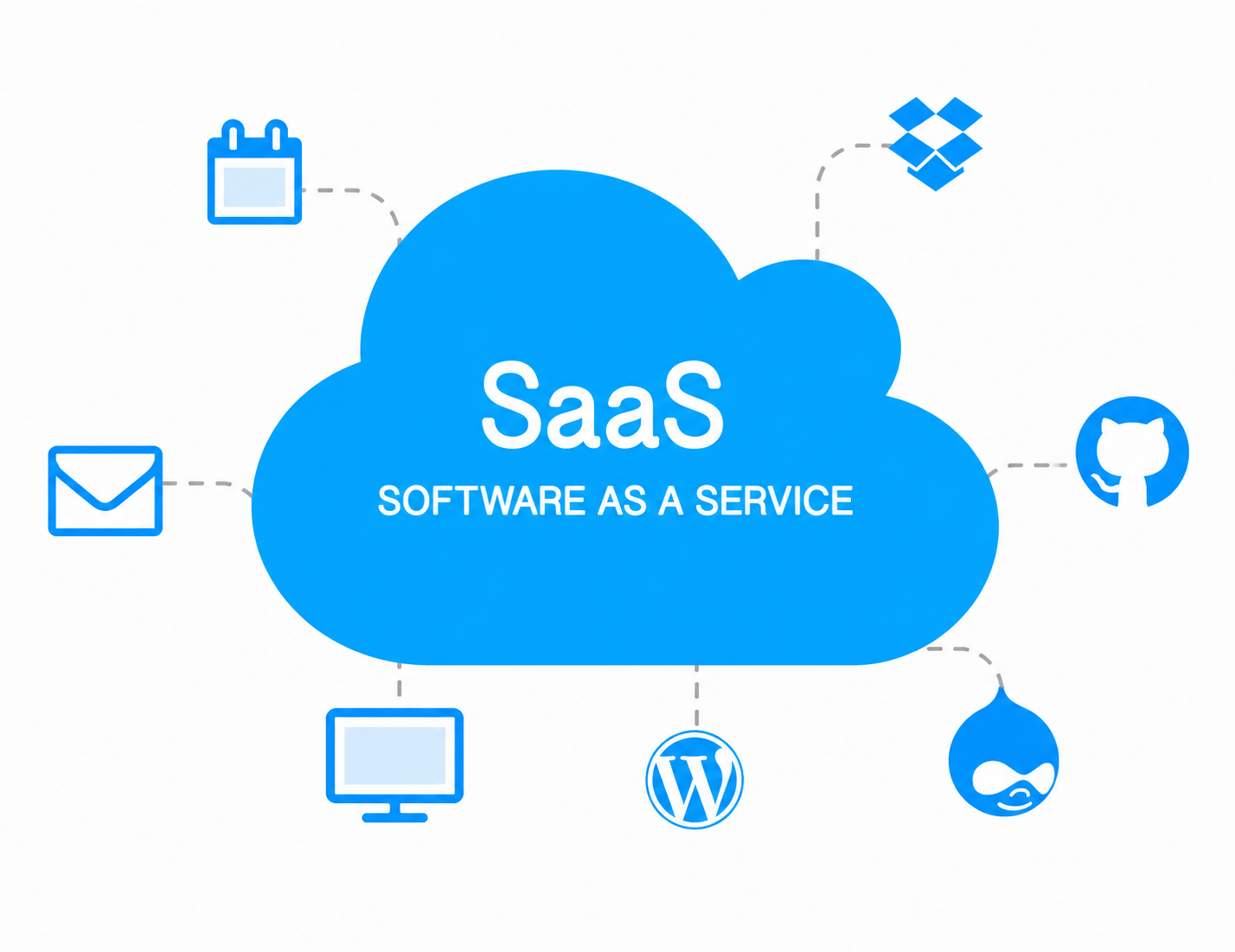
The B2B SaaS industry is evolving rapidly as companies compete for attention in a crowded digital marketplace. Traditional outbound methods are no longer enough to build a predictable sales pipeline. Businesses now require advanced lead generation strategies powered by artificial intelligence, intent data, automation, and personalized outreach.
As competition increases, organizations are increasingly turning to experienced B2B SaaS lead generation experts to help scale revenue, improve conversion rates, and accelerate customer acquisition. Moreover, these professionals and agencies specialize in identifying high-intent buyers, optimizing multi-channel campaigns, and building scalable demand generation systems. As a result, businesses can improve lead quality, strengthen customer engagement, and create more predictable sales pipelines.
In 2026, the focus is shifting from simply generating leads to generating qualified opportunities that contribute directly to revenue growth. Companies are prioritizing quality over quantity while leveraging smarter marketing technologies to improve efficiency and maximize ROI.
This article explores the qualities that define successful B2B SaaS lead generation experts and the strategies driving modern pipeline growth.
Why B2B SaaS Lead Generation Is Changing
The buying journey for SaaS products has become more complex than ever before. Decision-makers now conduct extensive research before speaking with sales teams. Buyers compare vendors, consume educational content, attend webinars, and analyze reviews before making purchasing decisions.
As a result, businesses need sophisticated lead generation systems that engage prospects at every stage of the customer journey.
Several factors are driving this transformation:
- Increased competition in the SaaS market
- Rising customer acquisition costs
- Longer B2B buying cycles
- Demand for personalized experiences
- Growth of AI-powered marketing technologies
- Greater reliance on data-driven decision-making
Modern lead generation experts understand these challenges and build strategies designed to improve lead quality while reducing wasted marketing spend.
The Role of AI in Modern Lead Generation
Artificial intelligence has become one of the most powerful tools in B2B marketing. AI-driven platforms can now analyze massive amounts of customer data, identify buying signals, and automate outreach processes at scale.
Lead generation experts are increasingly using AI for:
1. Predictive Lead Scoring
AI tools can identify which prospects are most likely to convert based on behavioral patterns, engagement history, firmographic data, and purchase intent.
This allows sales teams to focus their efforts on high-value opportunities instead of wasting time on unqualified leads.
2. Personalized Outreach
Personalization has become essential in B2B marketing. AI helps marketers create highly targeted email campaigns, dynamic website experiences, and customized content recommendations.
By tailoring communication to specific industries, job roles, and pain points, businesses can significantly improve engagement rates.
3. Intent Data Analysis
Intent data helps companies identify prospects actively researching relevant solutions online. Lead generation specialists use this data to engage buyers at the right moment in their purchasing journey.
This approach improves timing, increases response rates, and shortens sales cycles.
4. Marketing Automation
Automation platforms streamline repetitive tasks such as email nurturing, follow-ups, lead segmentation, and CRM updates.
As a result, businesses can scale campaigns more efficiently while maintaining consistent communication across channels.
Key Qualities of Successful Lead Generation Experts
Not all lead generation professionals deliver the same level of results. The most successful experts combine marketing expertise, technical knowledge, and data-driven strategies to generate sustainable growth.
Here are some of the qualities that separate top-performing B2B SaaS lead generation experts from the rest.
Deep Understanding of the SaaS Industry
SaaS businesses operate differently from traditional companies. Subscription-based revenue models, recurring billing, customer retention, and product-led growth require specialized marketing strategies.
Experienced lead generation experts understand:
- SaaS sales funnels
- Customer lifetime value
- Trial-to-paid conversion optimization
- Product positioning
- Enterprise sales cycles
- Customer onboarding processes
This industry knowledge enables them to create campaigns that align with SaaS growth objectives.
Strong Data and Analytics Skills
Data has become the foundation of modern lead generation. Therefore, experts continuously analyze campaign performance, conversion metrics, engagement rates, and buyer behavior to optimize results. Additionally, they use these insights to improve targeting strategies, enhance customer engagement, and increase overall marketing efficiency. As a result, businesses can make smarter decisions and achieve stronger lead generation outcomes.
They use analytics tools to:
- Identify high-performing channels
- Improve targeting accuracy
- Reduce acquisition costs
- Increase conversion rates
- Optimize landing pages and messaging
Data-driven decision-making helps companies maximize return on investment while improving pipeline quality.
Multi-Channel Marketing Expertise
Successful B2B marketing strategies no longer rely on a single platform. Modern lead generation experts build integrated campaigns across multiple channels including:
- LinkedIn outreach
- Email marketing
- Content marketing
- Paid advertising
- SEO
- Webinars
- Social media
- Account-based marketing campaigns
This multi-channel approach increases brand visibility and improves engagement with target audiences.
Focus on Lead Quality Over Volume
Many companies still make the mistake of prioritizing lead quantity instead of quality. However, generating thousands of low-intent leads rarely produces strong revenue results.
The best lead generation experts focus on identifying prospects that closely match the ideal customer profile. They prioritize:
- Decision-makers
- High-intent buyers
- Companies with strong purchasing potential
- Accounts showing active buying signals
This improves sales efficiency and helps organizations close deals faster.
Account-Based Marketing Continues to Grow
Account-based marketing (ABM) remains one of the most effective strategies for B2B SaaS companies in 2026.
Instead of targeting large audiences, ABM focuses on high-value accounts with personalized campaigns designed for specific companies or decision-makers.
Lead generation experts use ABM to:
- Improve engagement with enterprise buyers
- Deliver personalized messaging
- Align sales and marketing teams
- Increase deal sizes
- Strengthen customer relationships
As enterprise SaaS competition increases, ABM is becoming an essential growth strategy.
Content Marketing Drives Long-Term Pipeline Growth
Educational content continues to play a major role in B2B lead generation. Buyers want valuable insights before making purchasing decisions.
Top lead generation experts create content such as:
- Industry reports
- Whitepapers
- Case studies
- Webinars
- SEO blogs
- Research articles
- Video content
High-quality content helps businesses build trust, establish authority, and generate inbound leads organically.
Additionally, SEO-focused content improves search visibility and attracts prospects actively searching for solutions online.
LinkedIn Is Still the Leading B2B Platform
LinkedIn remains one of the most important platforms for B2B SaaS marketing and lead generation.
Experts are using LinkedIn for:
- Thought leadership campaigns
- Targeted advertising
- Relationship building
- Personalized outreach
- Executive branding
- Community engagement
AI-powered LinkedIn tools are also helping companies automate prospecting while maintaining personalized communication.
As more B2B decision-makers engage on LinkedIn, businesses are investing heavily in platform-specific marketing strategies.
The Future of B2B SaaS Lead Generation
The future of lead generation will be shaped by AI, automation, personalization, and buyer intent intelligence.
Several trends are expected to dominate the industry over the next few years:
1. AI-Powered Revenue Operations
Businesses are integrating AI across sales, marketing, and customer success operations to improve forecasting and pipeline management.
2. First-Party Data Strategies
As privacy regulations evolve, companies are prioritizing first-party data collection to maintain accurate audience targeting.
3. Conversational Marketing
Chatbots, AI assistants, and real-time customer engagement tools are becoming increasingly important for lead capture and qualification.
4. Revenue-Focused Marketing
Marketing teams are being measured more directly on pipeline contribution and revenue generation rather than vanity metrics.
Conclusion
B2B SaaS lead generation in 2026 is becoming smarter, more personalized, and heavily data-driven. Companies can no longer rely on outdated outreach tactics or generic campaigns to compete in a rapidly evolving digital marketplace.
The most successful lead generation experts combine AI technology, intent data, content marketing, automation, and account-based strategies to deliver measurable business growth.
As competition intensifies, businesses that invest in modern lead generation systems will be better positioned to scale pipeline growth, improve conversion rates, and build long-term customer relationships. Additionally, companies that adopt AI-driven strategies and personalized marketing approaches can respond more effectively to changing buyer behaviour. As a result, they can generate higher-quality leads, strengthen customer engagement, and achieve sustainable revenue growth over time.
Organizations looking to succeed in today’s SaaS environment must focus not only on generating leads but also on creating meaningful buyer experiences that drive trust, engagement, and revenue.