



Every marketing team knows the problem. Campaigns bring in plenty of leads, but sales reps can’t follow up with all of them quickly, so many go cold. Conversational AI is built to fix that gap, and it is changing how businesses talk to prospects and customers.
The topic came up on the Social Business Engine Podcast, where host Bernie Borges interviewed Alex Terry, CEO of Conversica. Terry’s company was named 2017 Best in Biz Enterprise Product of the Year in the sales software category.
What Is a Conversational AI Sales Assistant?
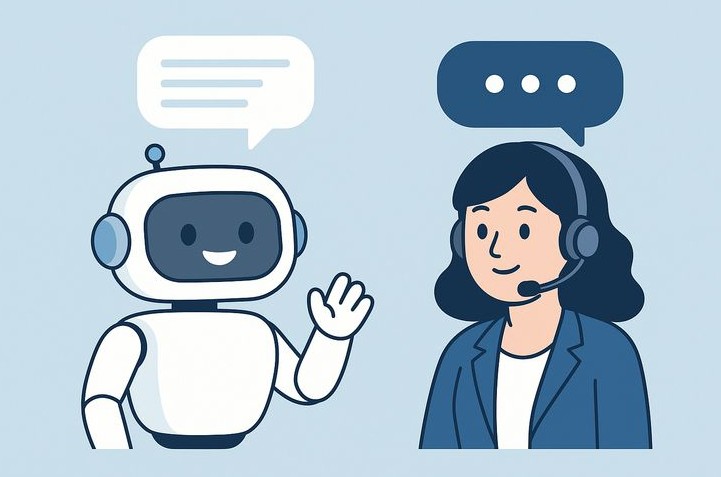
Conversica’s platform deploys AI as a virtual sales assistant. It works like a real team member, with a name, a job title, an email address and a phone number. Terry says these assistants “become part of their customers’ sales and marketing teams.”
The assistant contacts new leads automatically and keeps the conversation going in natural language. It continues until the prospect becomes a customer or opts out. It also supports multiple languages.
The scale is large. Over 1,000 companies use these assistants, and more than 300 million messages have gone through the platform.
Why Scale Matters for B2B Marketing
Marketing tools have come a long way. Early on, the most advanced option was a spreadsheet with a few formulas. Today, AI tools can interact with customers across the whole lifecycle.
Terry believes we are still early. He compares today’s AI tools to the internet in 1997: the potential is obvious, but most of the change is still ahead.
Two things are driving adoption. New algorithms have arrived, and faster, cheaper computing has made AI affordable for more companies.
The result is mass personalization. No team could hold one-to-one conversations with millions of people by hand. Conversational AI can do it, with each message tailored to the person receiving it. That is the competitive edge: every lead gets a timely, personal response, not just the ones a busy rep reaches first.
Answering the Skeptics
Terry admits that almost everyone starts out skeptical. Prospects worry that automated conversations will feel robotic or cold. Most change their minds once they see results.
The numbers behind his claim are strong:
- Conversica has contacted more than 40 million leads.
- Over 30% of those leads replied and started a conversation with the assistant.
For outreach that is automated and sent at scale, that is a notable engagement rate.
Will AI Replace Salespeople?
This is the most common objection, and Terry rejects it. He says the technology is not displacing sales teams. It is creating work for them.
When an AI assistant engages more leads and qualifies them, more real opportunities reach the team. Those opportunities need people to close them. A research project with Salesforce found that no company reduced its sales headcount after adopting Conversica.
What does change is how reps spend their time. Instead of spending about 80% of their day chasing leads, they spend about 80% of it closing deals. The AI handles the repetitive follow-up, and people handle the relationship and the final decision.
What Marketing and Sales Teams Can Take Away
Whether or not you use Conversica, the conversation points to a few useful lessons:
- Speed wins leads. Prompt, consistent follow-up keeps prospects engaged. Automation makes it possible without extra staff.
- Personalization can scale. AI makes one-to-one outreach practical across thousands or millions of contacts.
- Let AI handle repetitive work. Use it to qualify and nurture leads, and keep people for negotiation and closing.
- Look at results, not assumptions. Skepticism is natural, but a pilot with clear engagement and conversion metrics shows what the technology can do.
- Work together with sales. Marketing and sales should agree on how AI-qualified leads are handed to reps.
The Future of AI in Marketing
Terry expects conversational AI assistants to keep getting smarter and easier to use. Conversica keeps training its assistants to improve their abilities. He predicts that AI assistants will become a fact of life in the coming years.
For marketers and sales leaders, the practical question is not whether to use AI but how soon to start. Teams that adopt it early can respond to leads faster, personalize at scale and give their people more time to sell.